






Ouverture 2024 celebrates 40 years of activity of Castello di Rivoli. The title Ouverture intentionally references the one used for the inaugural exhibition curated by Rudi Fuchs, the first Director of Castello. Opened to the public on 19 December 1984, the exhibition was conceived as a hypothesis for a future collection. Focused on works that were new or recent at the time, the exhibition recognised the value of individual artistic research rather than adherence to specific art historical movements. Ouverture 2024 reactivates the same principles, presenting the exceptional collection the institution has since built.
The project primarily focuses on works from the collection produced since the 2000s—with some exceptions, added as desiderata, as Fuchs did—to reaffirm the institution’s essential focus on contemporary art. Ouverture 2024 is conceived as a proposal for a 21st-century museum, rooted in Europe but open to a broader global vision. As in the original version, the exhibition gathers voices that have deeply influenced the artistic discourse and is inspired by principles of inclusion, social and cultural participation.
The title Ouverture intentionally references the one used for the inaugural exhibition at Castello di Rivoli, curated by its first director Rudi Fuchs and opened to the public on 19 December 1984. The exhibition was conceived as a survey of contemporary art, a proposal for a future collection, and at the same time, a model for an ideal museum. The works on display, resulting from loans or commissions, highlighted the value of the individual artistic research of the artists. The new version reactivates the same principles, but with the exceptional collection that the institution has since built. Ouverture 2024 primarily focuses on works from the collection produced since the 2000s—with some loans, as in the case of Fuchs, included as desired additions—to reaffirm the institution’s primary focus on contemporary art. The exhibition project conceived for the occasion unfolds through the two grand floors of Castello di Rivoli and traces numerous urgencies that characterise contemporary life.
On the first floor, the ecological crisis and possible forms of empathy between species are the basis of works by Ingela Ihrman, Otobong Nkanga, Anri Sala, and Roni Horn. Issues related to truth in representation and the role of images in the media-driven society are central to the research of Hito Steyerl and Pierre Huyghe. History, memory, and conflict situations define the works of Michael Rakowitz, Jennifer Allora and Guillermo Calzadilla, and Marwa Arsanios, while the darker aspects of the past are explored by Roberto Cuoghi and Chiara Fumai. The fallibility of the human body inspires Nairy Baghramian, connecting to the awareness expressed by Robert Gober through works specially loaned for the occasion.
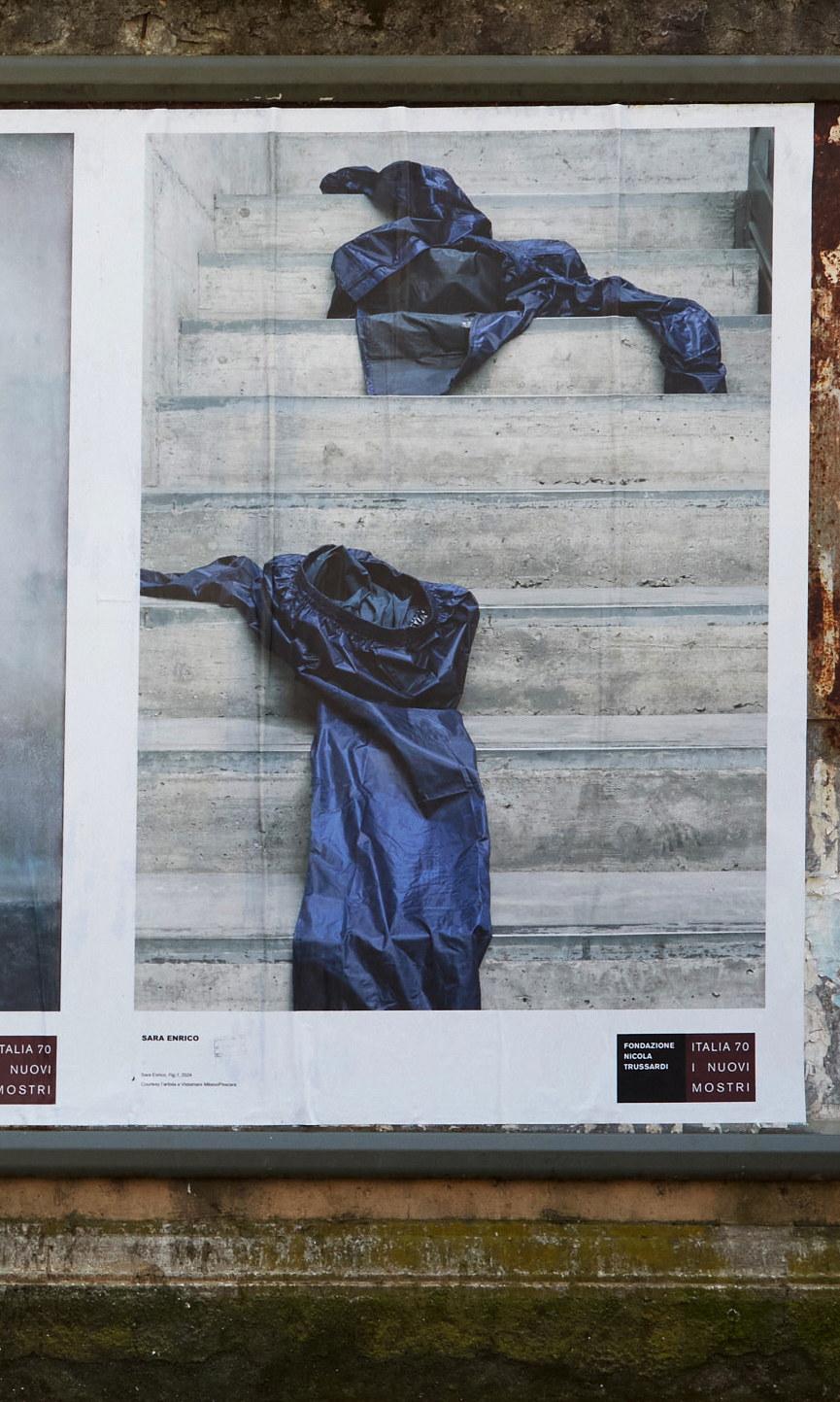
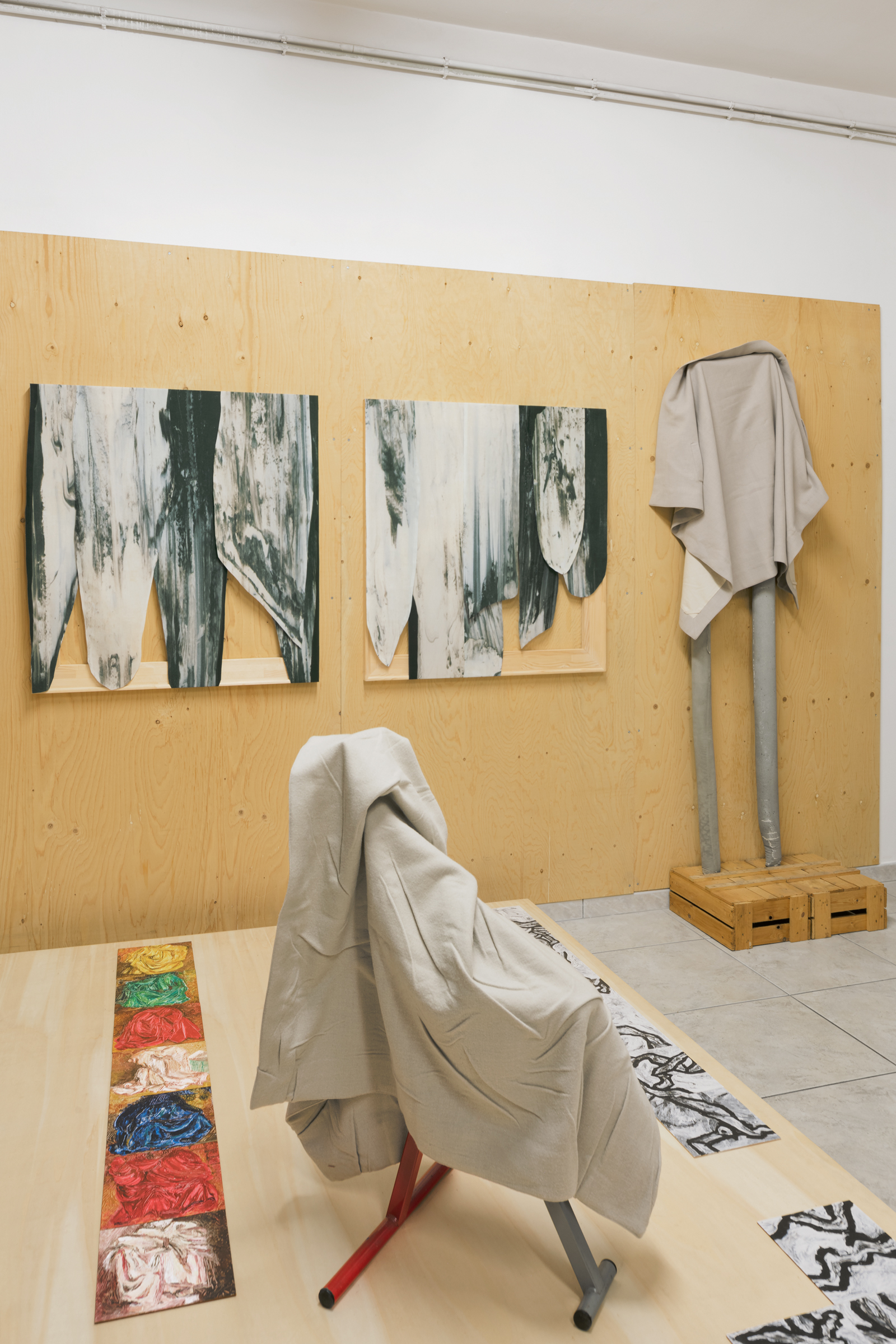
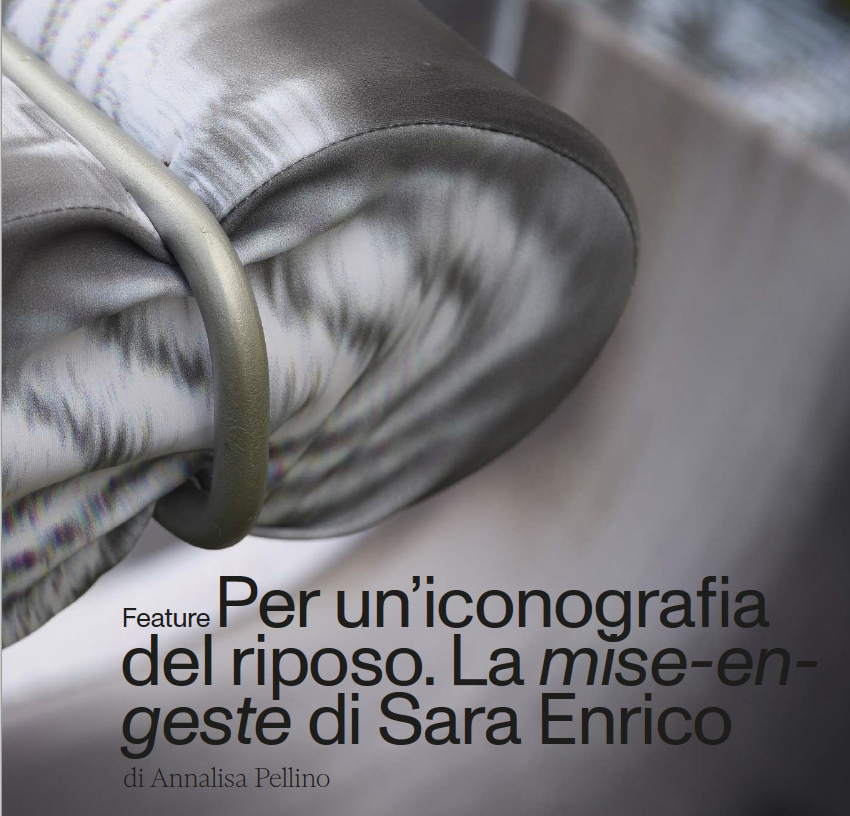
The Ouverture 2024 journey continues on the second floor with the investigation by Cooking Sections into the relationship between food and environmental pollution, a theme further explored by Anna Boghiguian. The contrast between digital experience and the physicality of the body is addressed differently by Anne Imhof, Alexandra Sukhareva, Sara Enrico, and Ed Atkins. The consequences of colonialism are reflected in the works of Nalini Malani, Francis Offman, Maria Thereza Alves, and Zhanna Kadyrova. The themes of disappearance and absence reverberate in the research of Lara Favaretto, with a significant work loaned for the occasion, while Mario García Torres delves into the obsession with places and artistic practices of previous generations. The relationship between scientific research, imagination, and the human condition drives the works of Jenna Sutela and Micol Assaël.
The exhibition path concludes in the Manica Lunga with Olafur Eliasson, whose investigation embraces the memory of the encounter with nature, the responsibility of ecological thinking, and scientific and technological experimentation.
The exhibition project marks the continuation of a journey toward the creation of an open, inclusive museum designed to engage diverse viewpoints and narratives. Ouverture 2024 aims to be a prelude to something yet to come, while being firmly rooted in what has preceded it, conceived as a journey through specific chapters of the history of Castello di Rivoli and its future, renewing its function as a device for knowledge, reflection, and personal and social growth.
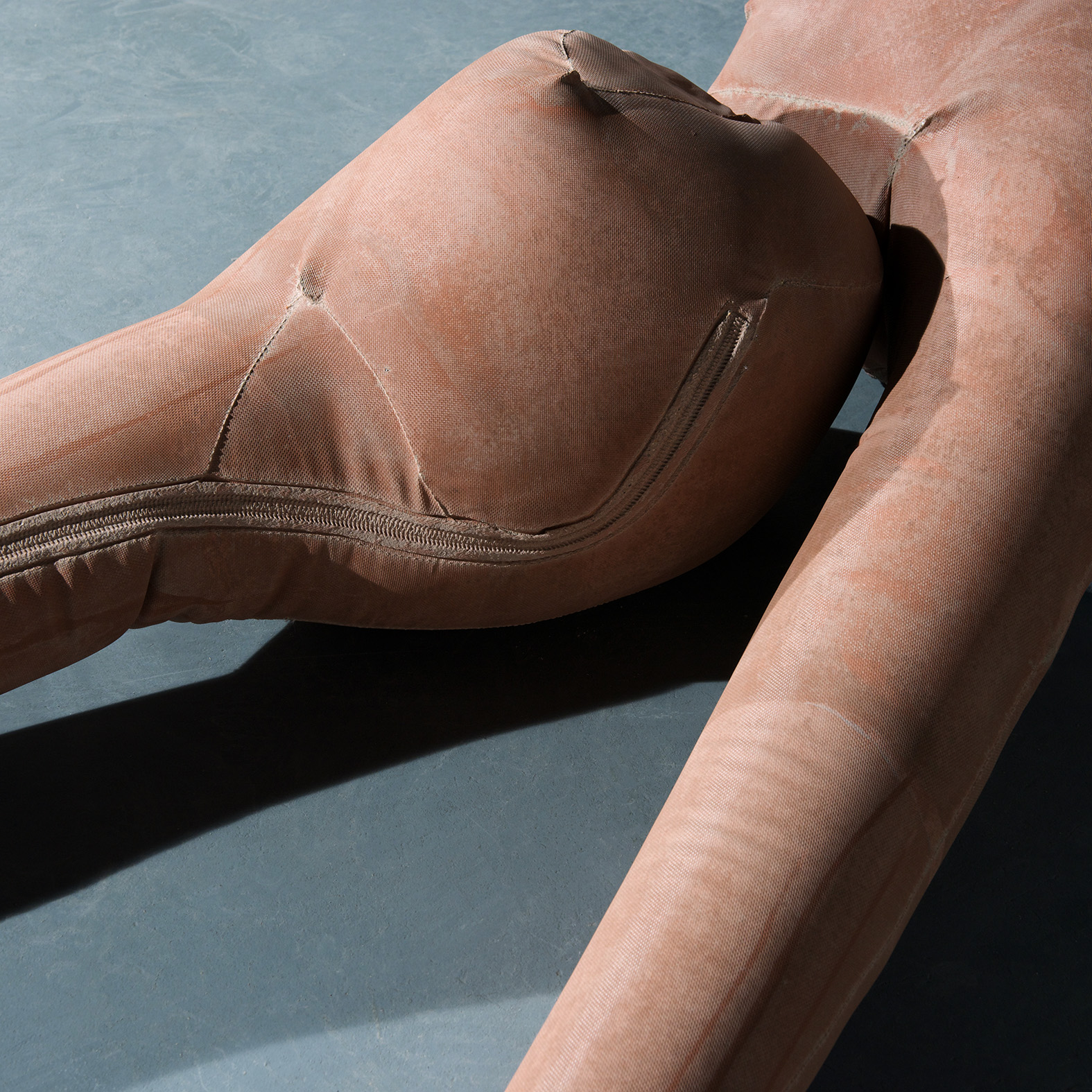
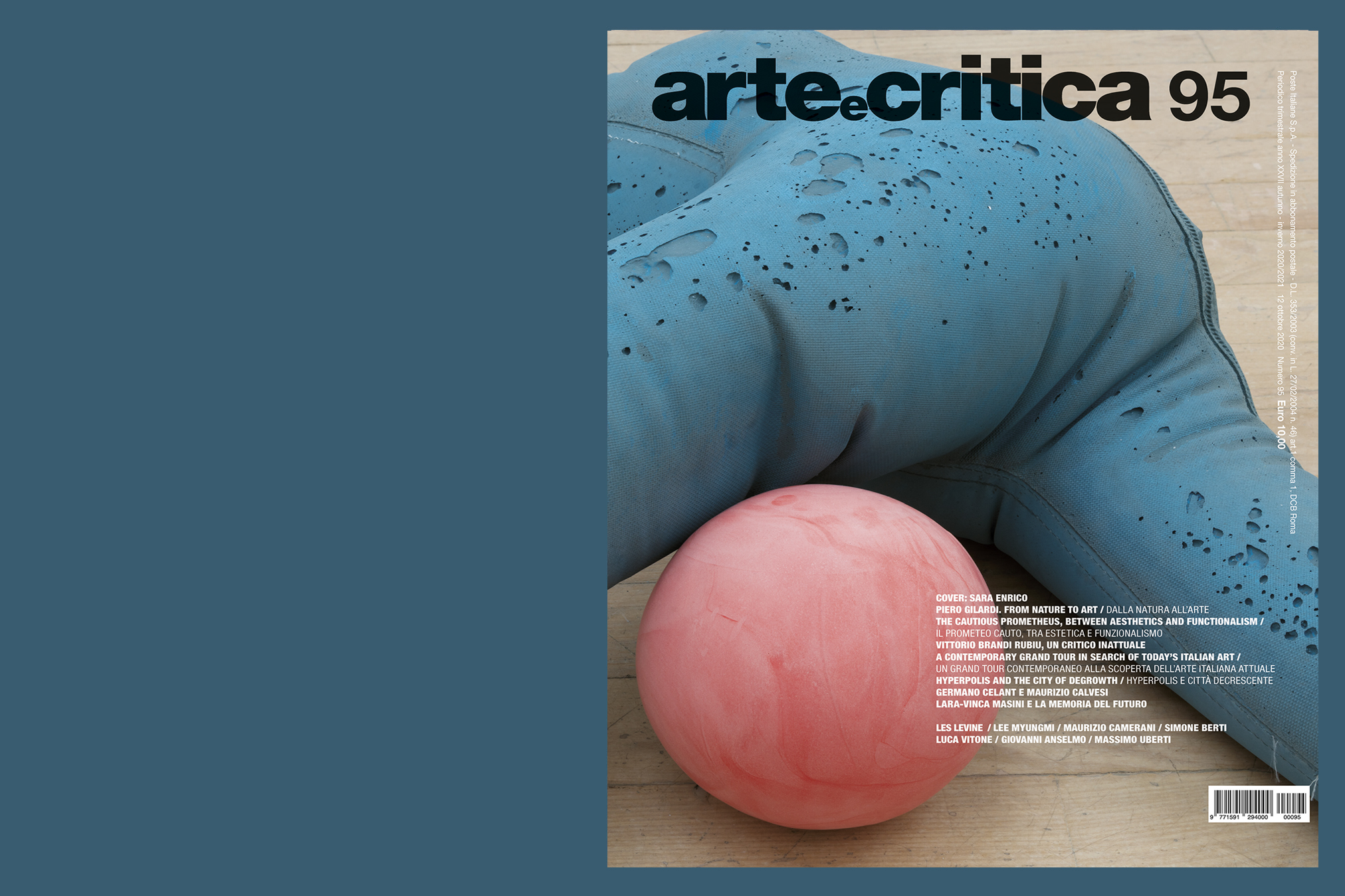
The Jumpsuit Theme, 2022 / Room 30
concrete, pigment
37 x 228 x 50 cm
Castello di Rivoli Museo d’Arte Contemporanea, Rivoli-Torino. Photo by Ela Bialkowska OKNO studio.
Exhibited in the thematic area dedicated to the “representation of bodies and their metamorphoses’ at the 59th Venice Biennale in 2022, The Jumpsuit Theme is part of a series begun in 2017 that explores the jumpsuit and its formal and cultural tradition in relation to the body and movement. Similar to a convoluted choreography frozen in time, the sculpture is made of cement mixed with pigment poured into a technical-fabric suit made by the artist and then removed once the mixture inside has dried solid. The result is a human-like, elongated, and twisted limb-like forms that retain the impression of the characteristic flexibility of the garment to which the worker refers. These uncanny bodily syntheses whose surface resembles a vulnerable skin evoke dynamic presences with possible developments of movements not yet actualised. The title’s reference to the T-shaped jumpsuit- invented by the Futurist artist Thayhat in 1919- also carries with it not only the expressive element of gymnastics and dance, but also its use in the military and in prisons, the garment’s role in workers’ history anf gender emancipation.

