

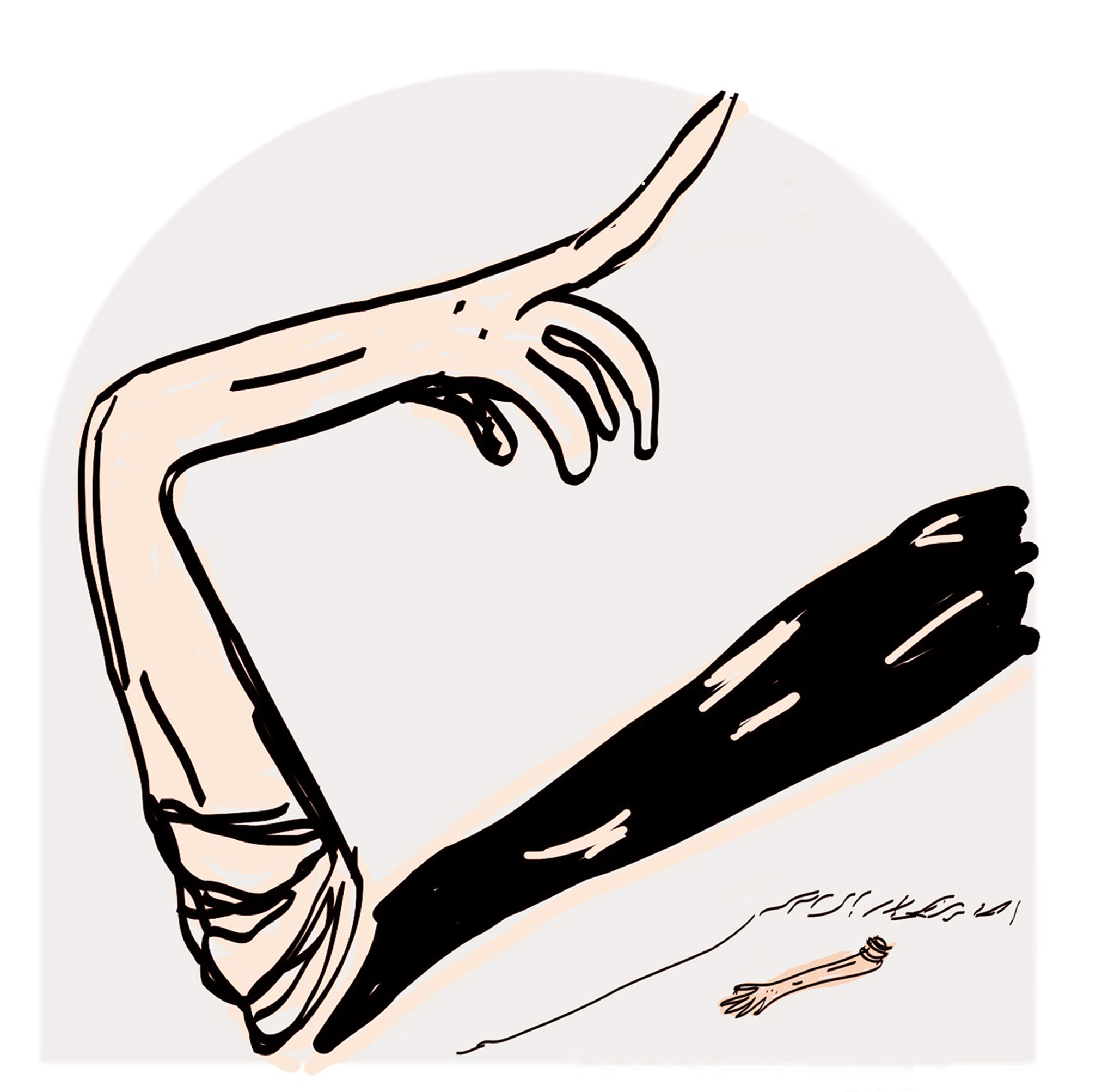




July 14th 1758. In a street in Strasbourg, a woman starts to dance. Nothing else, just that. Suddenly and for no reason, Dame Troffea (whose name has been preserved by history) starts to dance, alone, in a public space – perhaps as a game or a sudden, joyous wish. She dances for six days and nights without stopping, frenetically, as if possessed. A month later, almost four hundred people will join her in her trance, victims of what will become known as a ‘dancing epidemic’. There are deaths (up to fifteen a day), doctors make investigations, and hypotheses with varying relationships to science are offered to explain the source of the evil. Let’s retain this image of bodies without heads, despising reason, bodies that take over and begin to resist—the collective experience of a body capable of tending its own wounds.
28 April 1971. Robert Morris is invited by the Tate Gallery in London to produce a retrospective of his work. With Bodymotionspacethings, Morris responds to this request with a proposition involving the physical and tactile experience of a huge terrain of structures he has created with scrap materials. Critics at the time speak of an ‘obstacle course’, a ‘gym’, a ‘children’s playground’. At the end of five days and after a number of incidents, the installation is shut down in favor of a more predictable showing of the artist’s signature works. Enough playing—the lights are turned back on, the music is turned off. No Music Was Playing.
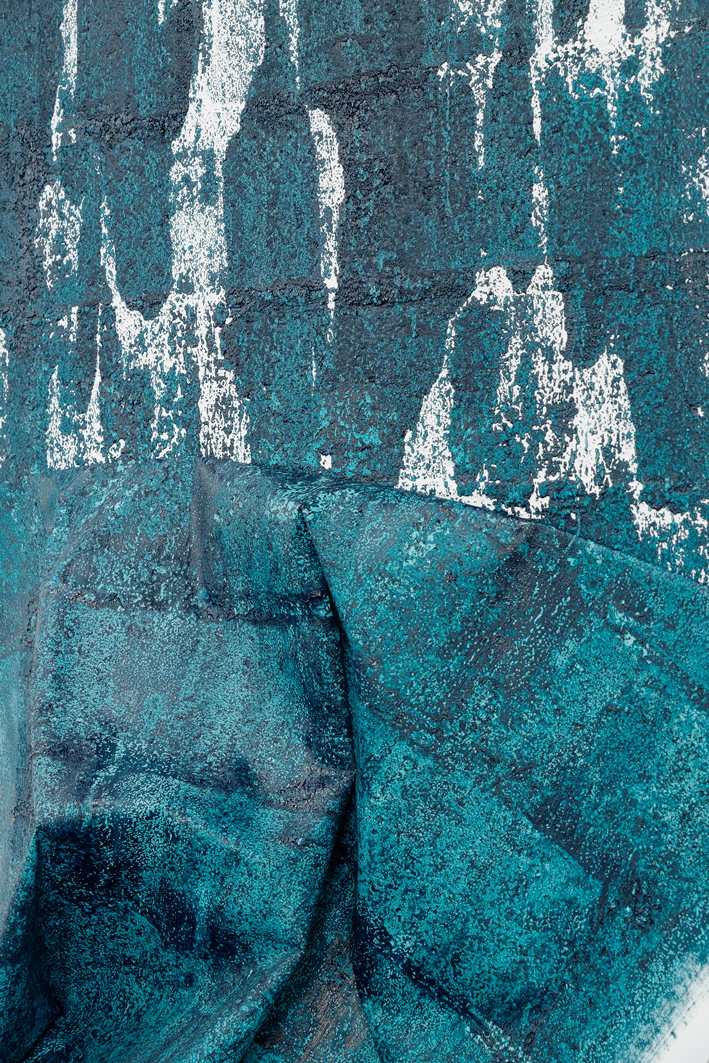
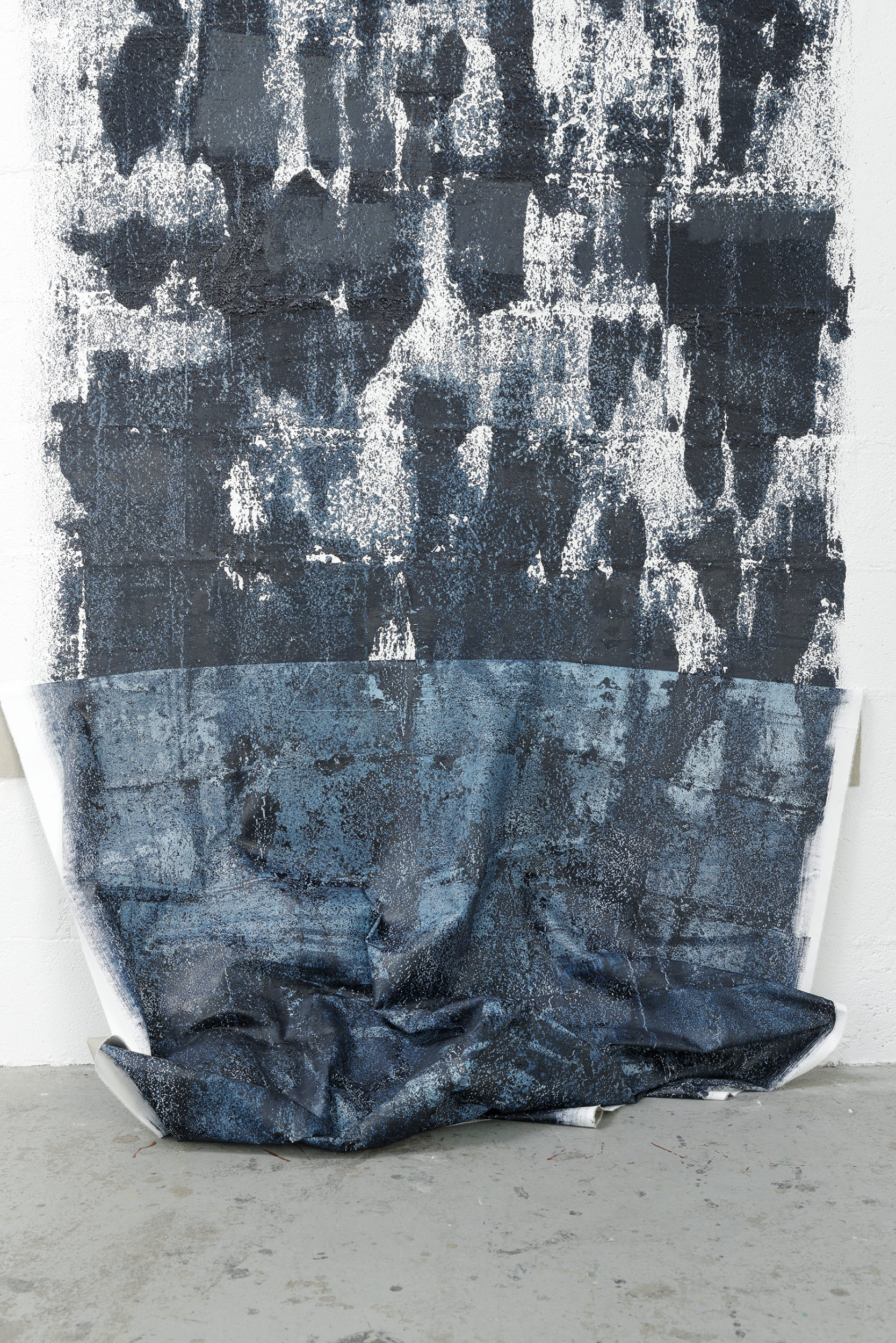
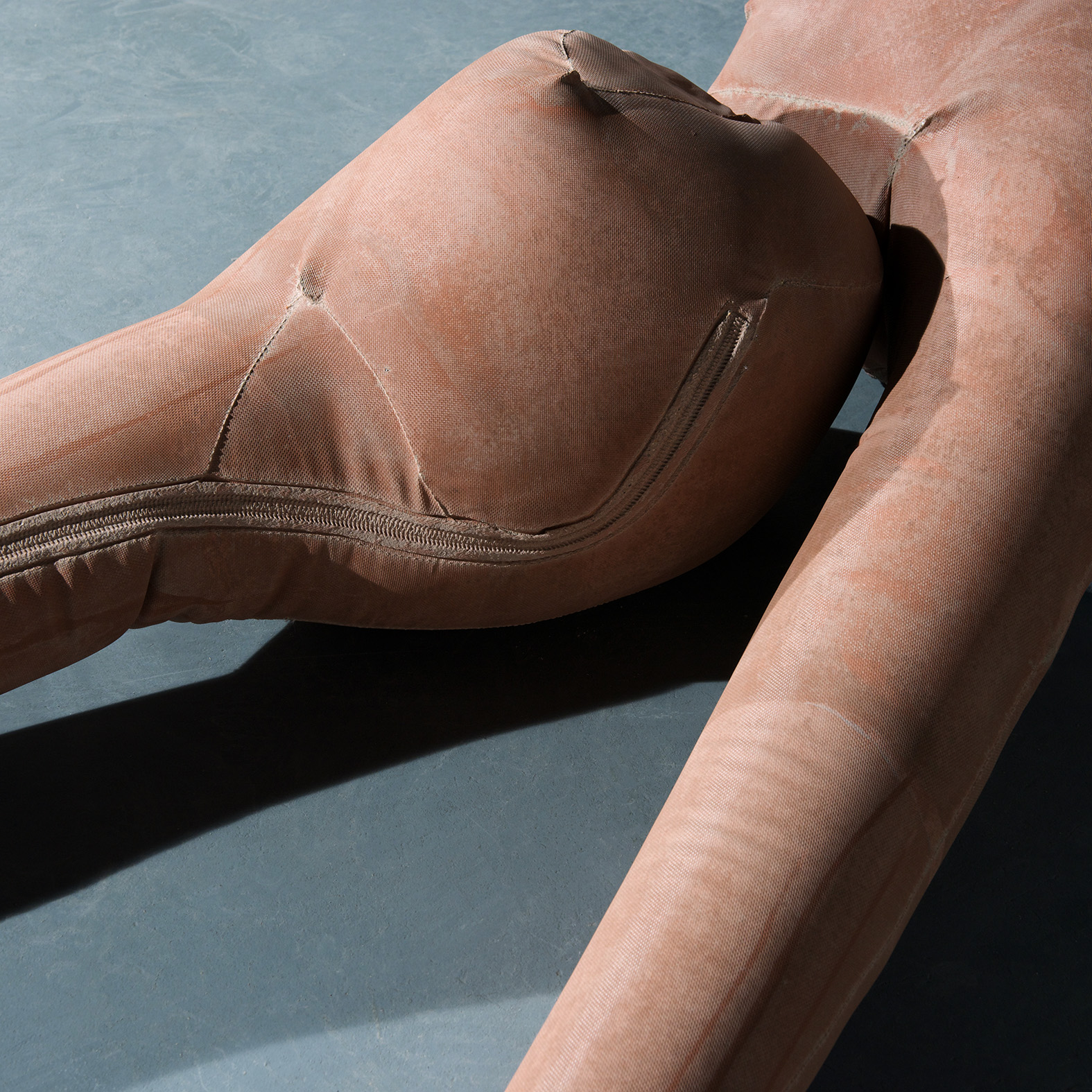
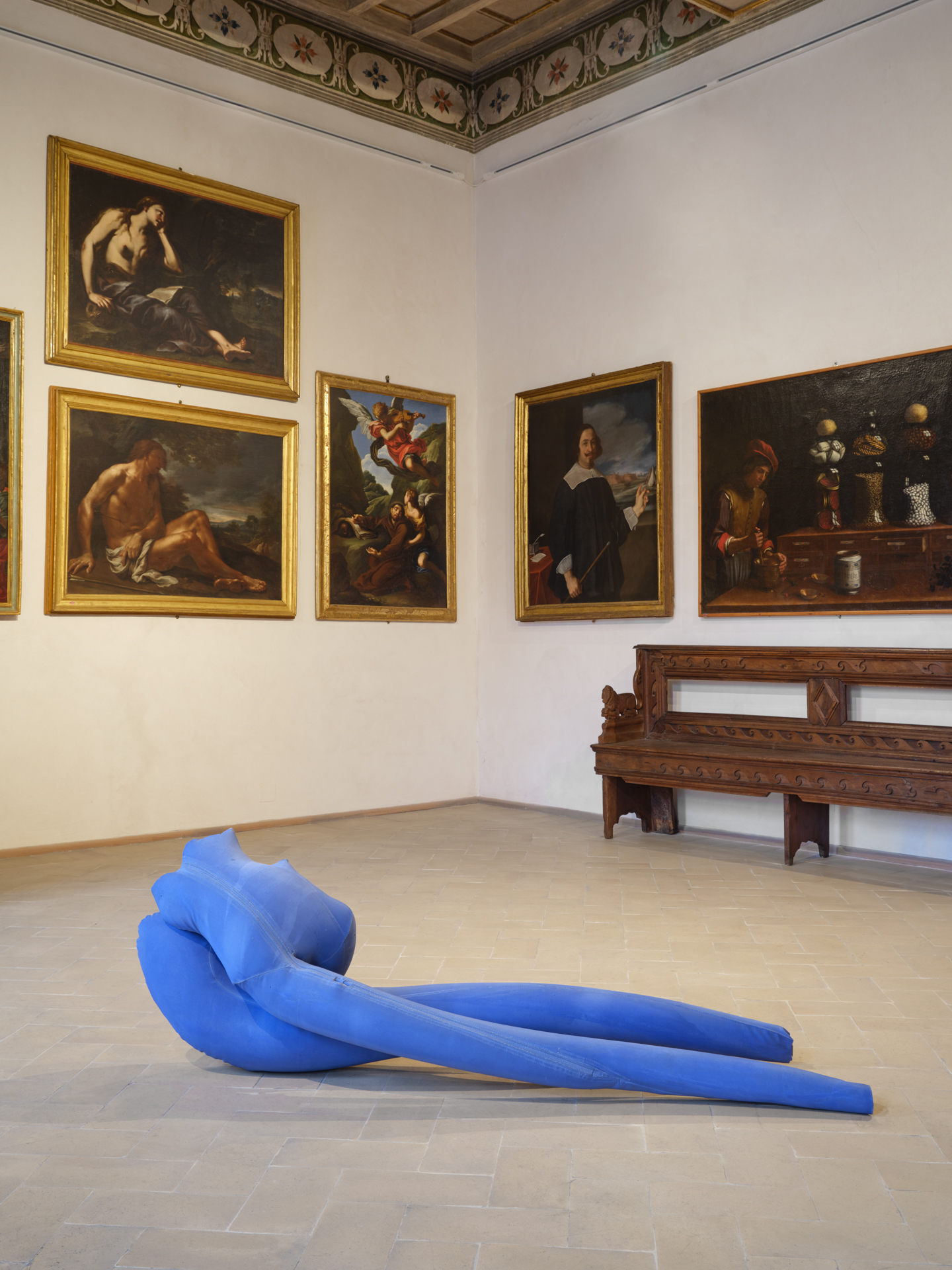
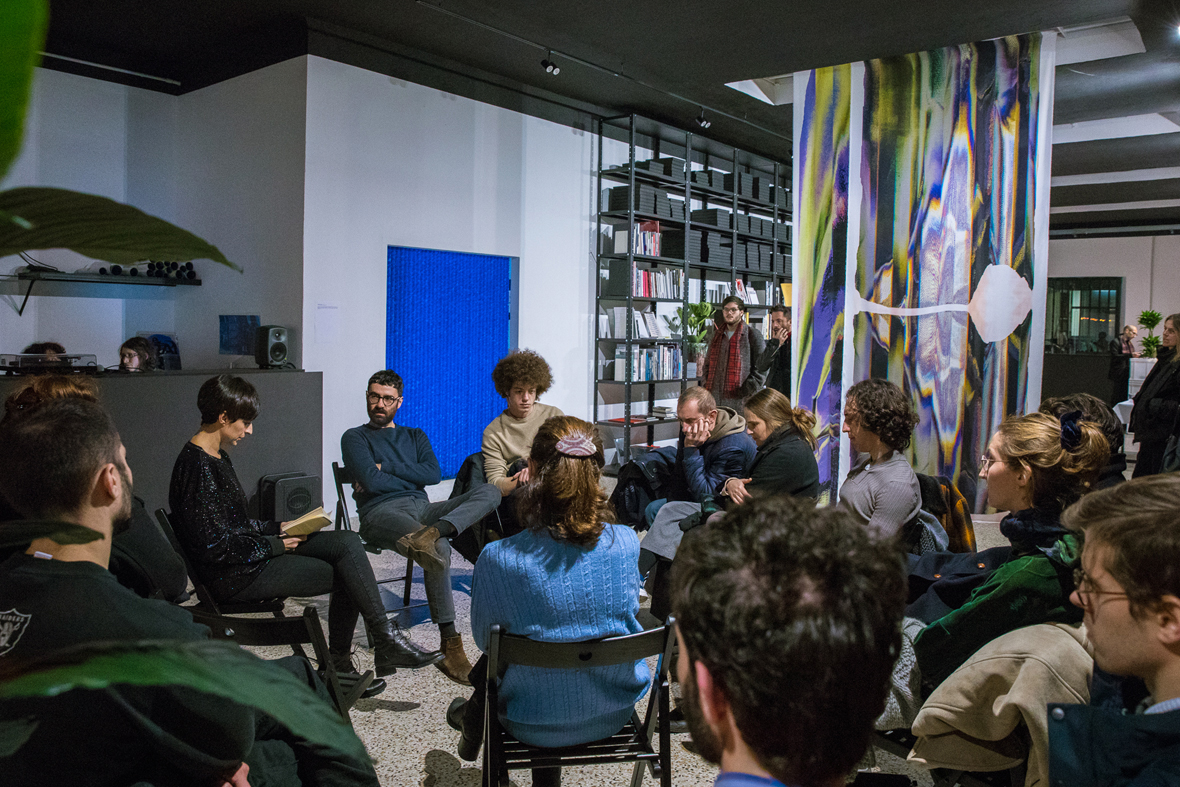
20 September 2014. The works of Ludovica Carbotta, Sara Enrico, Rie Nakajima, André Romão, Capucine Vandebrouck and Byron Westbrook summon up irrational dances, impulses, primitive and non programmatic gestures.
No Music Was Playing explores the idea of the work as ‘playground’ by redirecting the gaze to the platform of the event, thus re-staging the fictional space dreamed up by Morris. “We’ve become blind from so much seeing. Time to press up against things, squeeze around, crawl over – not so much out of a childish naivety to return to the playground, but more to acknowledge that the world begins to exist at the limits of our skin and what goes on at that interface between the physical self and external conditions doesn’t detach us like a detached glance.” (1) If Morris’ heritage is less literal here, it is no less subversive.
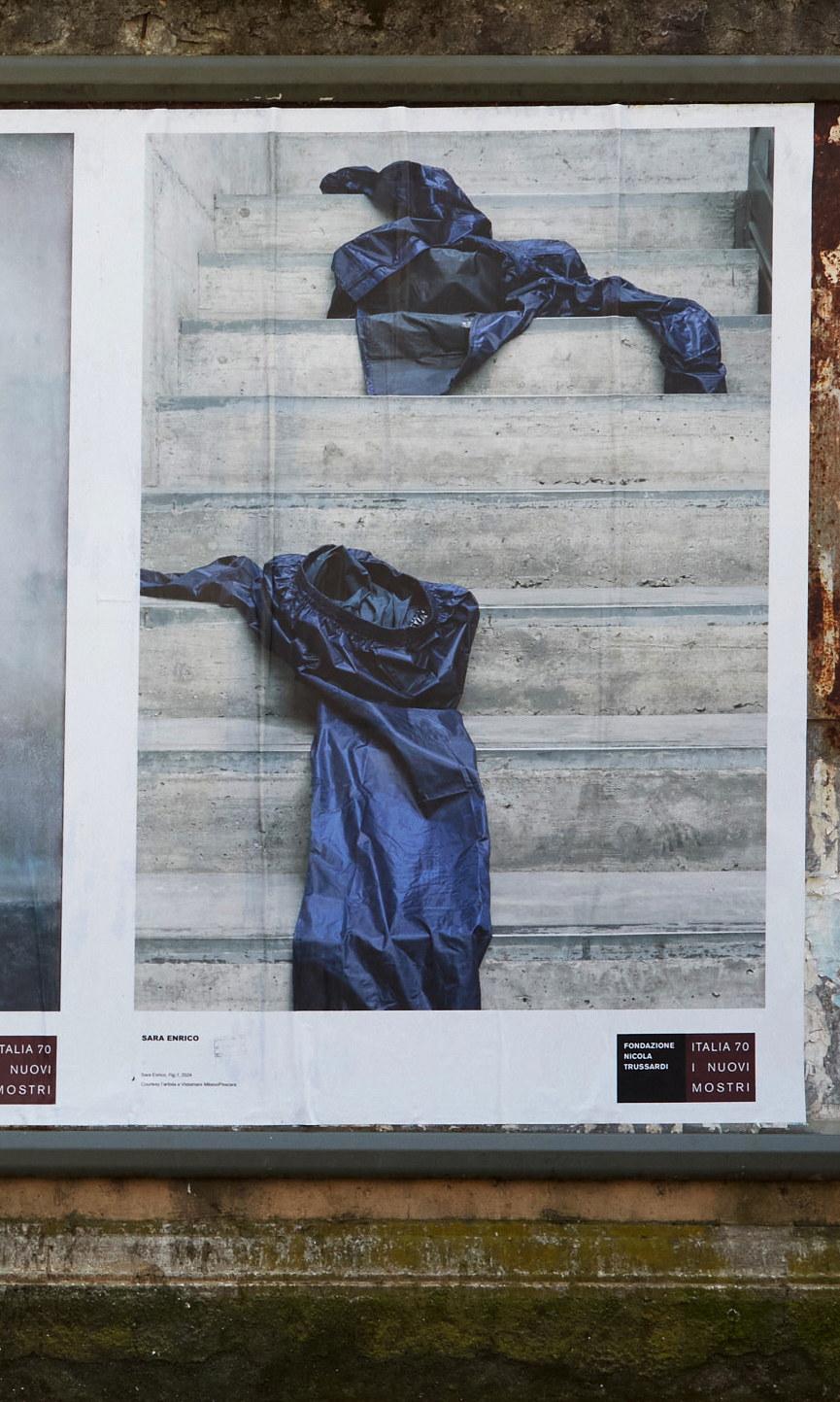
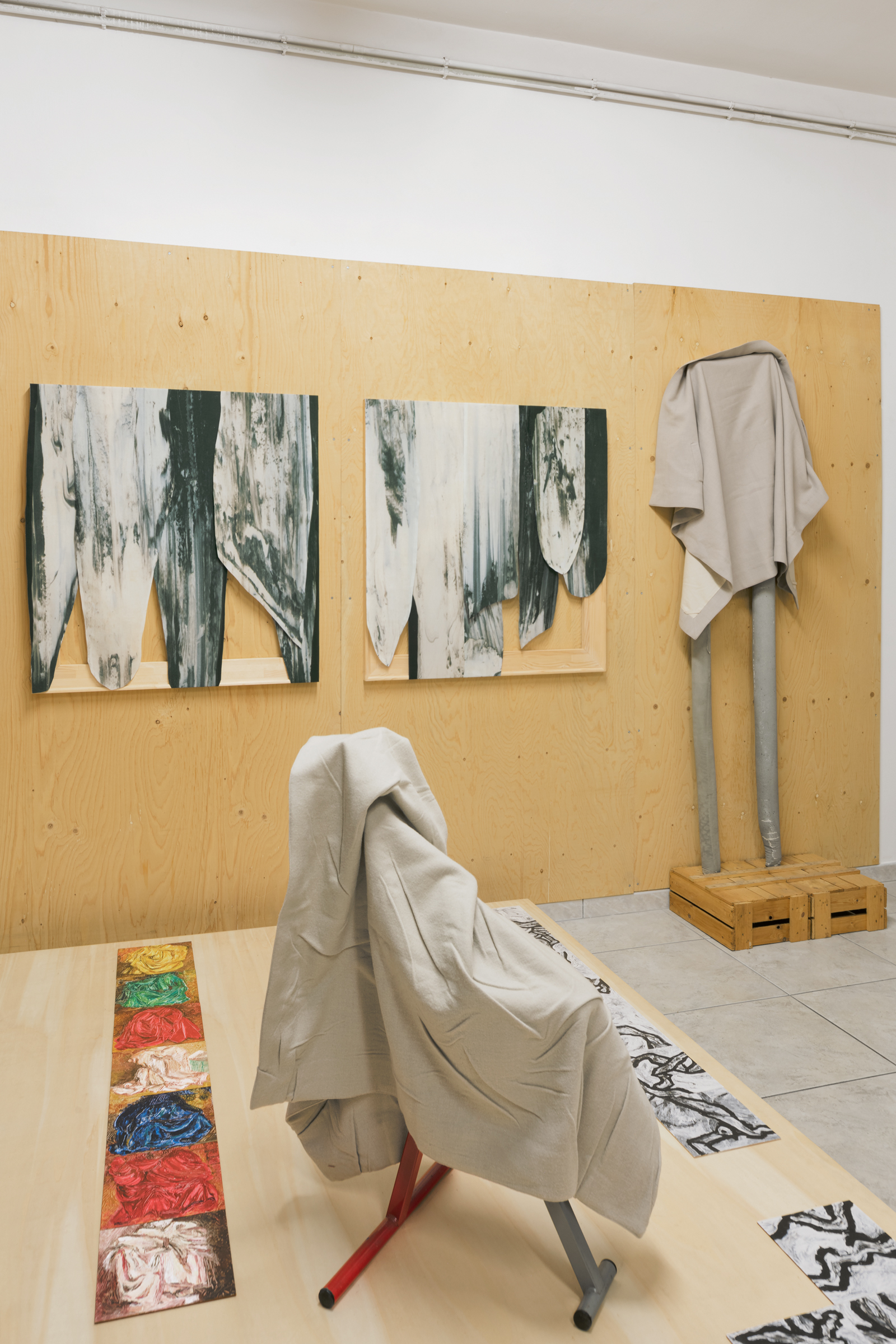
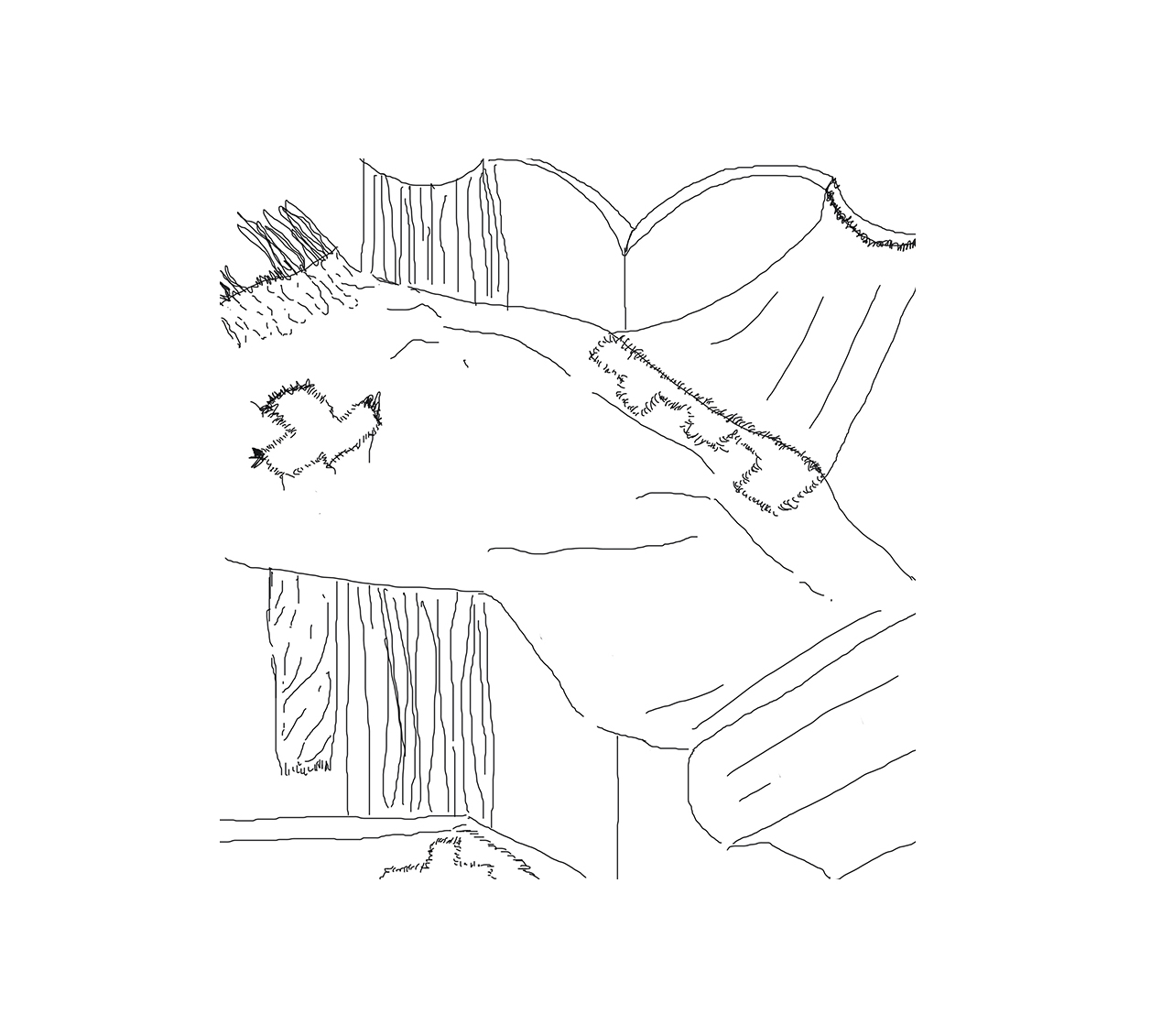
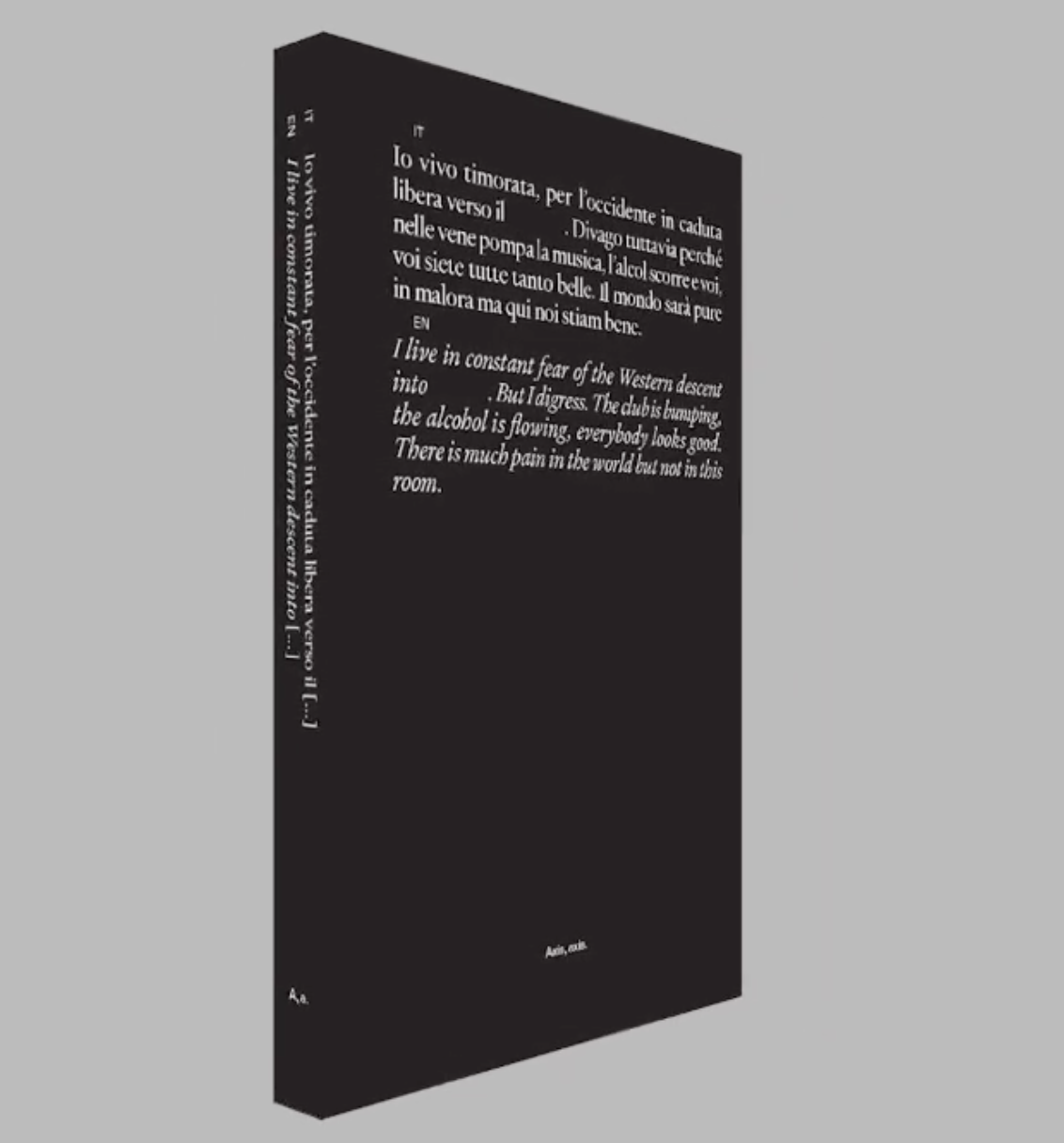
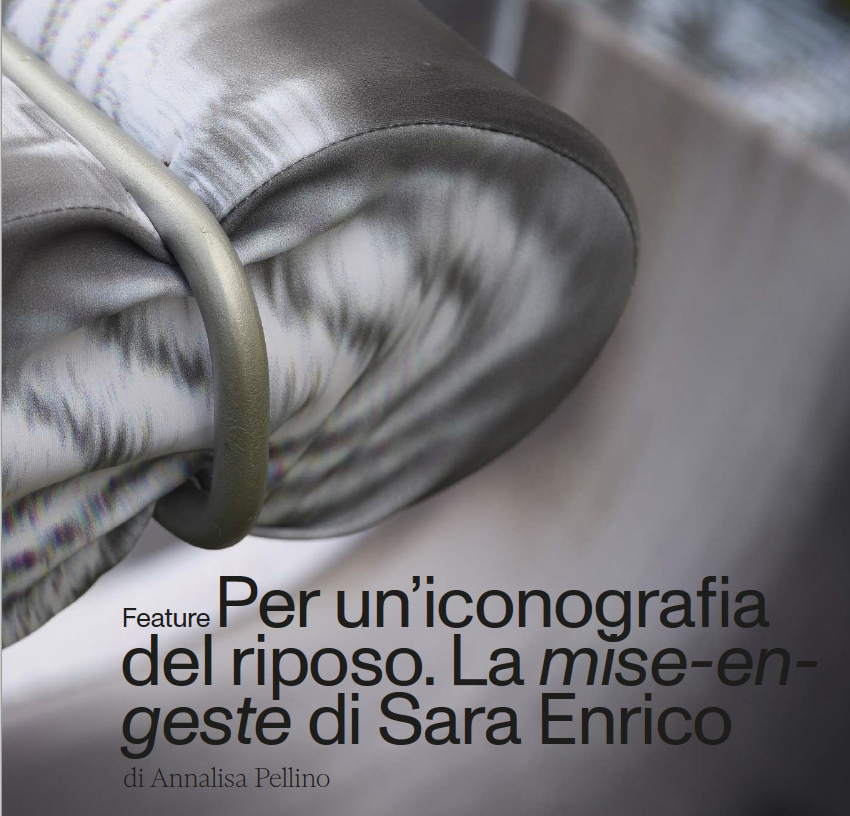
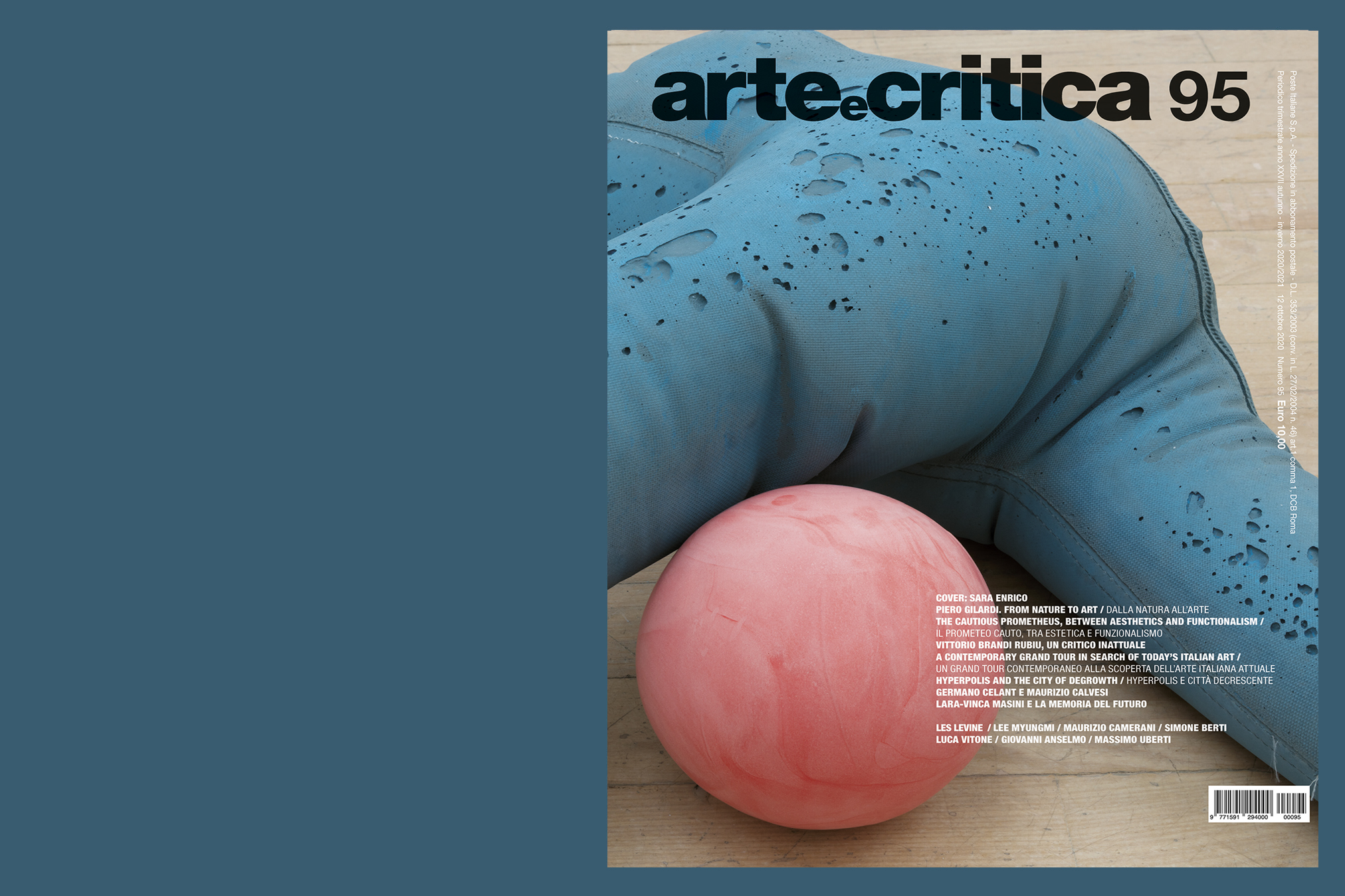
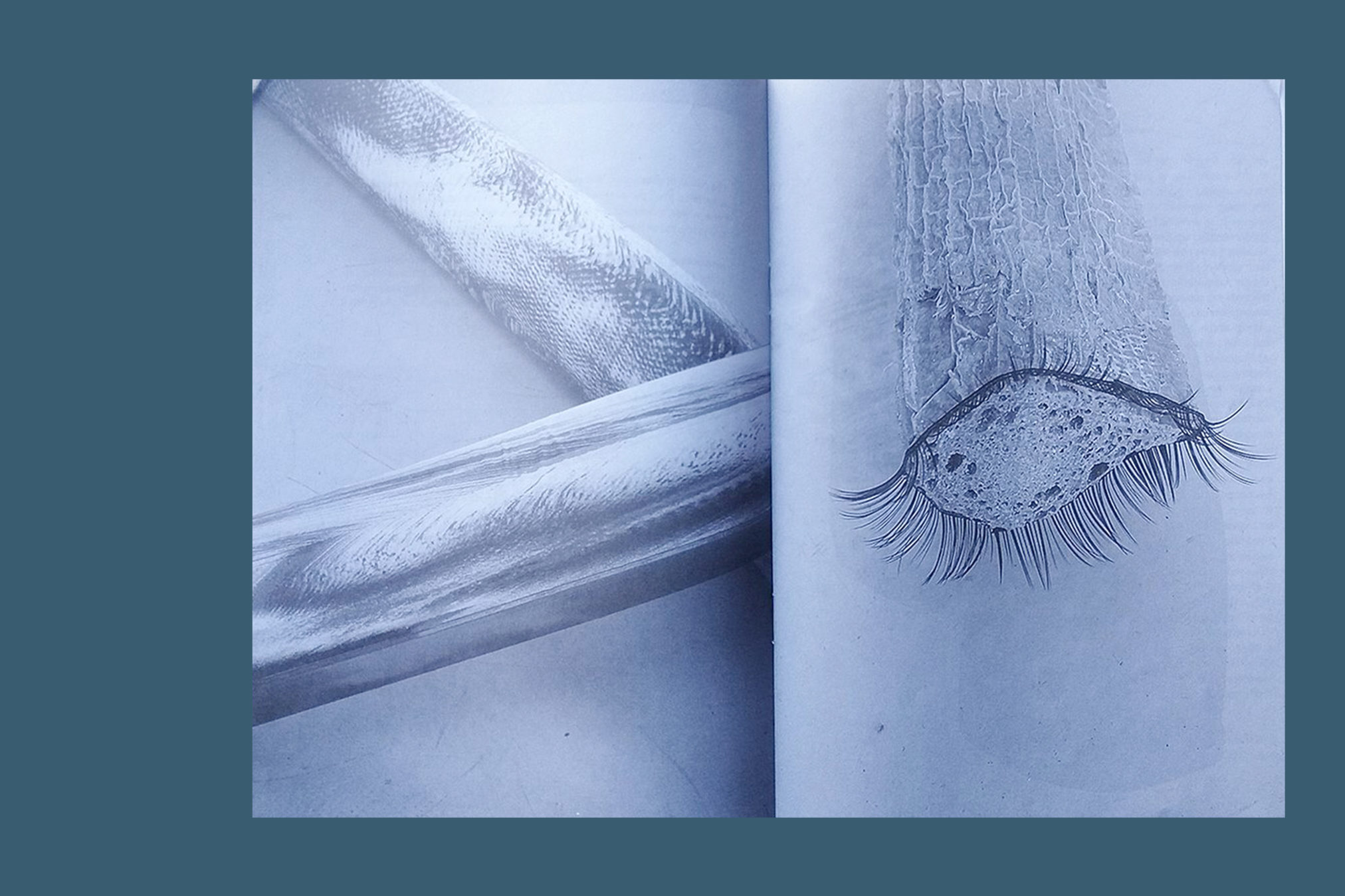
In Rie Nakajima’s assembled ecosystems, every (inter)action becomes an event (there is slippage, rubbing, falling): the ordinary sculptural gesture raised to the level of an adventure film. Ludovica Carbotta’s non-linear structures materialize the routes taken by a body caught within the constraint of inhabiting form. Sara Enrico operates through implosions of the medium, letting context emanate form. Capucine Vandebrouck deploys a form of post-capitalist minimalism, peeling away volume through a prism of perceptions. Byron Westbrook presents studies of performed soundscapes and André Romão – smuggling it in under the cover of poetry and a dancing epidemic – a speculative text of the modern European economy. These works all assume an almost willfully undetermined form, even to the point of apparent accident, as they are each the result of the abrupt encounter of a body with a specific context. Chance, incidents, the just-missed occurrence, the means at hand, the unplanned for all become a part of the work.
No Music Was Playing investigates the irrational urgency to create forms today by gambling on the exhibition as a form of mise en présence: the impulse of the body that creates—the artist’s body—ricocheting over bodies that think —your own. You will have to be attentive. It will be up to you to perceive such effects and collisions that inscribe the artistic gesture in an experience to be lived as much as to be reconfigured in memory afterward. You must commit to a place beyond the ‘detached gaze’, in order to make the conditions of reciprocity possible. For here you are not only invited to physically try out the work, you must be prepared to believe in a far more vast experience of self-construction that takes place when you rub up against it: through that contact which is a porousness to the world.
Text by Daniele Balit
(1) Robert Morris, Letter to Michael Compton, (keeper of exhibitions at the Tate Gallery), January 19th, 1971